The world is on the cusp of a nomadic revolution. Cities and communities are transforming at an unprecedented rate, driven by a confluence of factors: rapid urbanization, technological advancements, and a profound shift in societal values. This is not just about people moving to new places; it’s about a fundamental reimagining of how we live, work, and connect.
Urbanization and the Rise of Megacities
By 2050, urban areas are projected to house a staggering 6 billion people, with almost 7 out of 10 individuals calling cities home. This intense urbanization will drive the emergence of megacities, urban behemoths with populations exceeding 10 million. Imagine a world with 67 megacities by 2050, up from 44 today! These sprawling metropolises will become centers of economic activity and innovation, but also face immense challenges related to sustainability, infrastructure, and social equity.
The Digital Nomad: A Catalyst for Change
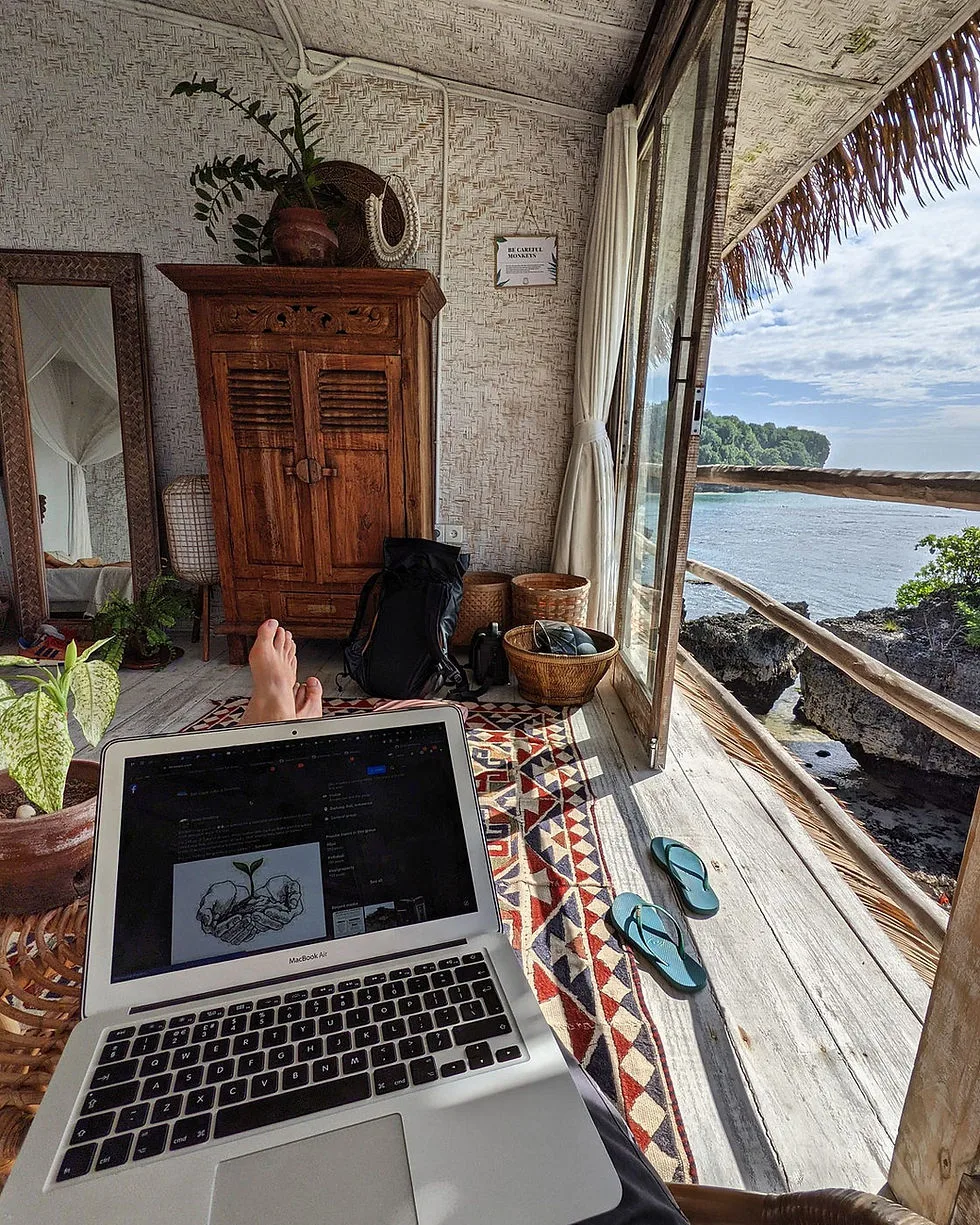
At the heart of this revolution is the digital nomad, a new breed of worker unshackled from traditional office constraints. Armed with laptops and fueled by wanderlust, these modern-day explorers are redefining the boundaries of work and life. In 2024, there are an estimated 35 million digital nomads worldwide, with 16.9 million residing in the United States alone. This number is projected to skyrocket to 60 million by 2030, signaling a profound shift in the global workforce.
Fueling the Nomad Fire:
Remote Work Revolution: The pandemic accelerated the adoption of remote work, with 82% of companies planning to incorporate more remote-friendly policies. This has empowered individuals to work from anywhere, fueling the digital nomad lifestyle.
Technological Enablers: Advancements in technology, particularly high-speed internet and cloud-based tools, have made remote work more accessible and efficient. Starlink, SpaceX’s satellite internet service, has seen explosive growth, surpassing 4 million subscribers in 2024. This connectivity revolution is breaking down geographical barriers and empowering nomads to work from even the most remote corners of the globe.
The Allure of Portugal and Bali
Portugal and Bali have emerged as magnets for digital nomads, offering a unique blend of affordability, cultural richness, and community. In Portugal, a couple can live comfortably on $2,500-$3,000 per month, while in Bali, a similar lifestyle can be achieved for even less. These destinations provide a high quality of life, with stunning natural beauty, vibrant social scenes, and a welcoming atmosphere for foreigners.
Impact on Local Economies and Cultures:
Economic Growth: Digital nomads contribute to local economies by spending on accommodation, food, and services. They often stay longer and spend more than traditional tourists, providing a more sustainable source of income for local businesses.
Cultural Exchange: The influx of digital nomads fosters cultural exchange and creates diverse communities. However, it also raises concerns about the potential for cultural erosion and gentrification.
Challenges and Conflicts: The rapid growth of digital nomad communities can strain local infrastructure and resources, leading to potential conflicts with residents over issues like rising housing costs and cultural differences. In Lisbon, for example, rental prices have increased by 10% in 2023, pushing some locals out of the market.
Spotlight: Nuanu and The Line — Redefining Urban Development
The nomadic revolution is not just about individuals; it’s also inspiring innovative urban development projects that cater to the needs and desires of this new generation of global citizens. Two prime examples are Nuanu in Bali and The Line in Saudi Arabia.
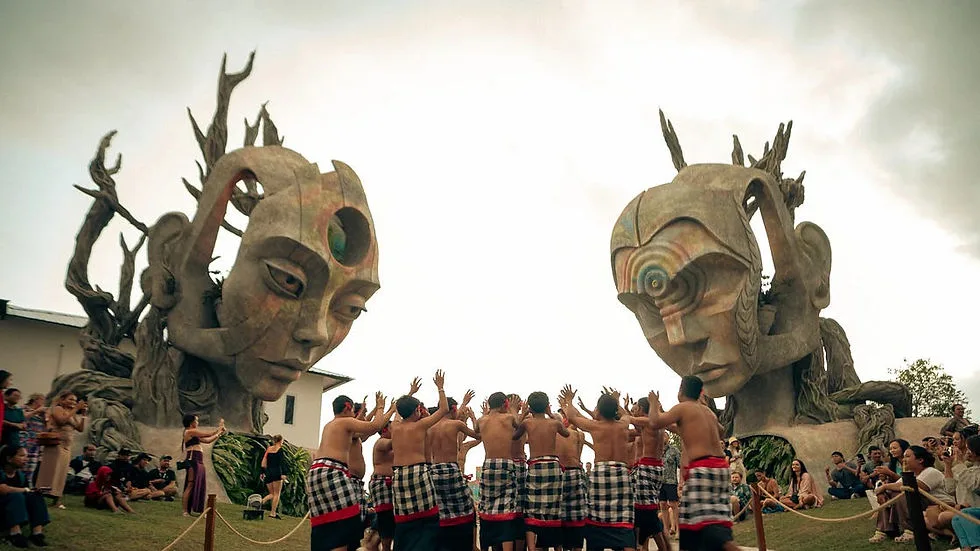
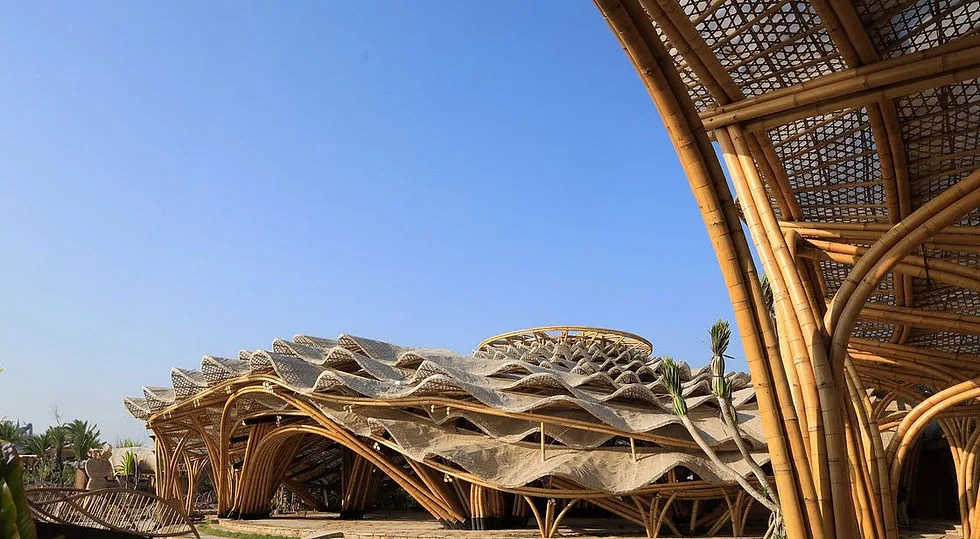
Nuanu, Bali: This 44-hectare “experiential park” 1 is a visionary development that blends art, technology, and nature. Founded by Russian tech entrepreneur Sergey Solonin, Nuanu aims to create a sustainable and creative community, with dedicated spaces for education, wellness, and cultural immersion. It boasts immersive art installations, a butterfly and orchid breeding program, and a commitment to preserving 70% of the site’s natural land 2. Nuanu is home to Labyrinth, Indonesia’s first immersive dome experience within a 21-meter-wide surround-sound and surround-projection room 2.
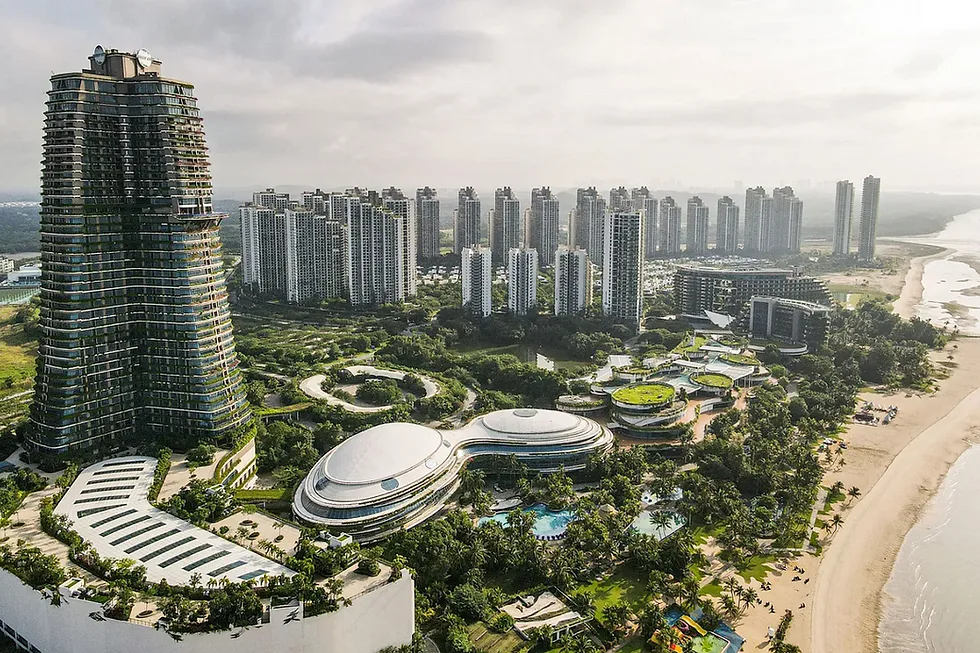
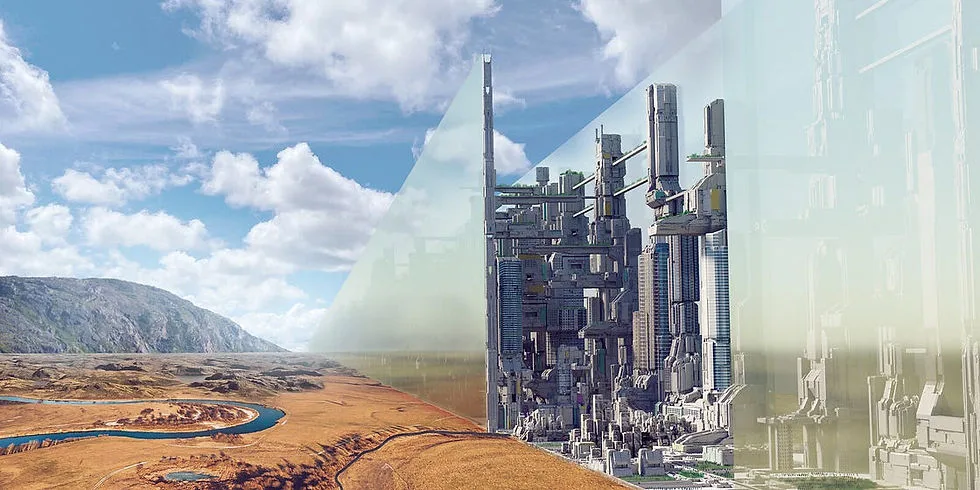
The Line, Saudi Arabia: This futuristic megacity, a 170-kilometer-long linear city being built in Saudi Arabia’s Neom region, is a bold experiment in urban design. The Line will be car-free, powered by renewable energy, and prioritize walkability and vertical living. It aims to house 9 million residents in a compact footprint, minimizing environmental impact while maximizing human connection and efficiency. The Line will feature a high-speed rail system that will allow residents to travel from one end of the city to the other in just 20 minutes.
These projects exemplify the innovative thinking and bold experimentation that characterizes the nomadic revolution. They are pushing the boundaries of urban development, creating spaces that prioritize sustainability, community, and a harmonious integration of technology and nature.
The Bitcoin Visa: A Gateway to Global Citizenship
The rise of the Bitcoin visa is a significant development in the nomadic revolution. This innovative financial tool allows individuals to seamlessly convert and spend cryptocurrencies at millions of merchants worldwide. It empowers nomads to manage their finances across borders and participate in the global economy without relying on traditional banking systems.
The Bitcoin visa is at the forefront of a movement towards greater financial freedom and global mobility. It could play a crucial role in facilitating the growth of network states and other decentralized communities, where individuals can live and work according to their own values and beliefs.
Predictions for the Future of Global Living
20 Years:
The Rise of Network States: Network states, online communities that transcend geographical boundaries, will gain significant traction. These communities, united by shared values and goals, will challenge traditional notions of nationhood and citizenship. Driven by advancements in technology and a desire for greater autonomy, network states will attract individuals seeking alternative governance models and a sense of belonging in a globalized world.
Metaverse Migration: The metaverse, a persistent and immersive digital world, will become a new frontier for nomadic living. As technology advances, individuals will be able to work, socialize, and even own virtual property in the metaverse, further blurring the lines between physical and digital realities. This could lead to a new wave of “metaverse migrants” seeking a life of digital immersion and virtual exploration.
Sustainable Nomad Cities: Purpose-built sustainable cities designed specifically for digital nomads will emerge. These cities will prioritize eco-friendly infrastructure, renewable energy, and community-driven governance, attracting environmentally conscious nomads seeking a minimal-impact lifestyle.
50 Years:
Space Nomadism: As space travel becomes more accessible, a new era of “space nomadism” will dawn. Individuals will work and live in orbiting habitats, lunar colonies, or even on Mars, pushing the boundaries of human settlement and redefining the concept of home.
Transhumanism and Digital Consciousness: Advancements in biotechnology and AI could lead to human augmentation and the ability to upload consciousness into digital realms. This could fundamentally alter the human experience, with individuals potentially existing as digital entities in virtual worlds or even merging with AI.
Global Brain and Collective Intelligence: The interconnectedness of humanity will reach new heights, with a “global brain” emerging from the collective intelligence of individuals and AI. This interconnected network of minds could lead to unprecedented levels of collaboration, innovation, and problem-solving on a global scale.
Conclusion: Embracing the Nomad Future
The nomadic revolution is not just a trend; it’s a paradigm shift that is reshaping the world as we know it. Cities, communities, and human life are undergoing a profound transformation, driven by technology, urbanization, and a new generation of individuals seeking a life of purpose, adventure, and global connection.
This revolution presents both challenges and opportunities. It requires us to rethink traditional notions of work, community, and identity. It demands that we address issues of sustainability, equity, and cultural preservation. But it also offers the potential for a more interconnected, diverse, and fulfilling future for humanity.
As we navigate this uncharted territory, it is crucial to embrace innovation, foster collaboration, and prioritize human values. By doing so, we can harness the power of the nomadic revolution to create a world where individuals can thrive, communities can flourish, and humanity can reach its full potential.
Works Cited
1. champ-magazine.com, accessed on January 28, 2025, https://champ-magazine.com/travel/indonesia/bali/nuanu-creative-city/#:~:text=Nuanu%20Creative%20City%20is%20a,Temple%20%E2%80%94%20positioned%20along%20Bali's%20coast.
2. NUANU CREATIVE CITY — Ala Champ, accessed on January 28, 2025, https://champ-magazine.com/travel/indonesia/bali/nuanu-creative-city/