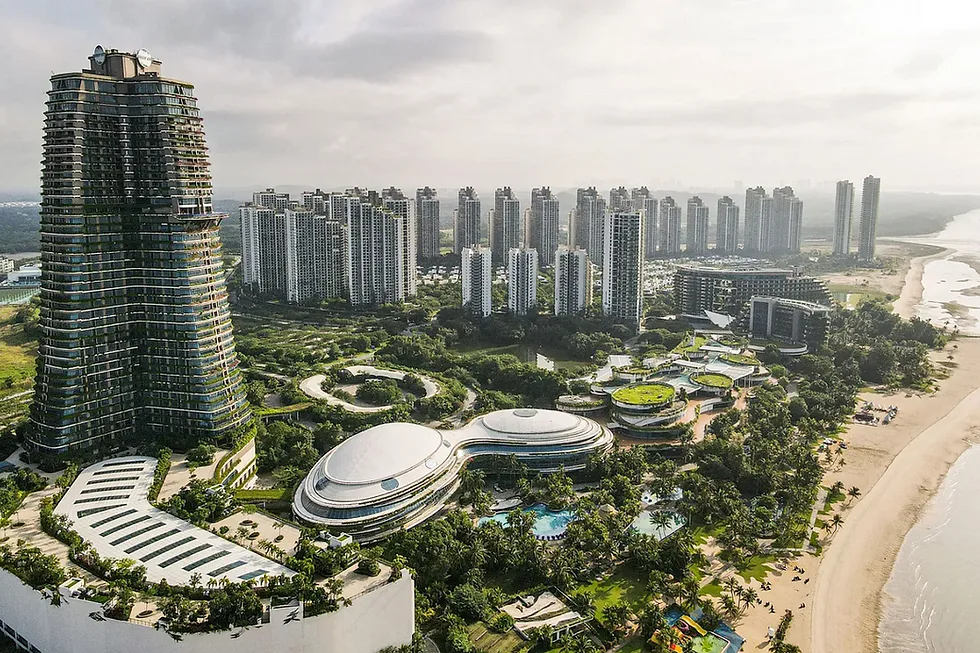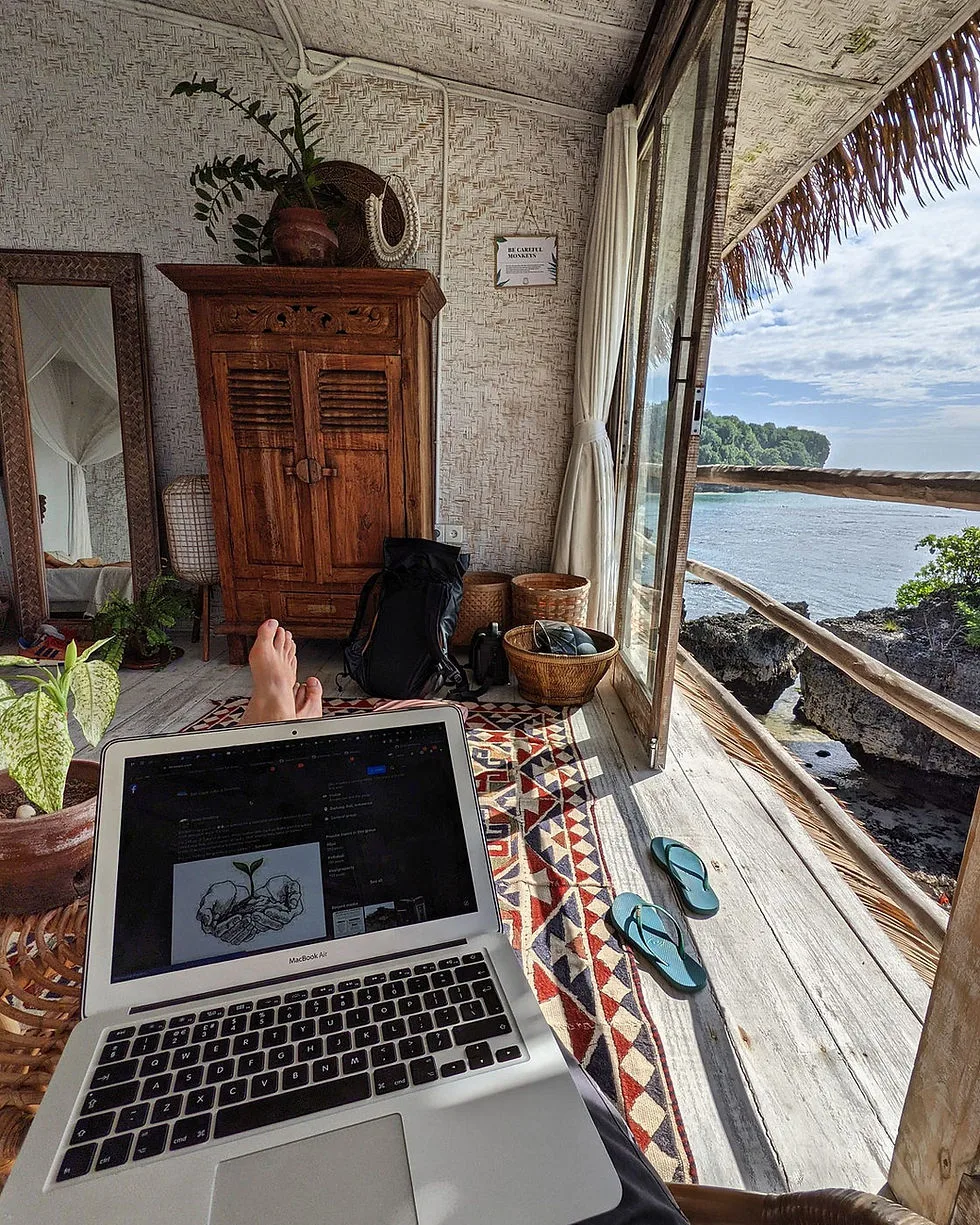
The digital nomad lifestyle, facilitated by remote work technologies and globalization, is transforming global migration patterns. This research paper investigates the impact of digital nomad hubs like Portugal and Bali on local economies and cultures, examining the socioeconomic effects on housing markets, small businesses, and local communities. It also explores the preservation and alteration of local traditions and cultures in the face of globalization and digital migration, and examines the potential for conflict between locals and expats. By analyzing these factors, this paper aims to provide a comprehensive understanding of the rise of digital nomadism and its implications for the future.
Introduction
The world is experiencing a dramatic shift in how people live and work, fueled by the rise of digital nomadism. This phenomenon, enabled by advancements in technology and the growing prevalence of remote work, allows individuals to work from anywhere with an internet connection, leading to the emergence of digital nomad hubs across the globe. The number of digital nomads in the US alone has skyrocketed from 7.3 million in 2019 to 18.1 million in 2024, a staggering 147% increase1. Portugal and Bali, with their attractive lifestyles, affordable living costs, and welcoming environments, have become prime destinations for these modern-day nomads. This research paper delves into the impact of this trend on global migration patterns, local economies, and cultures, examining both the advantages and disadvantages associated with the rise of digital nomadism.
The Rise of Nomadic Work
The rise of nomadic work is a significant trend shaping the 21st-century workforce. Technological advancements, particularly in communication and internet accessibility, have empowered individuals to work remotely from anywhere in the world. This has resulted in a surge in the number of people embracing the digital nomad lifestyle, seeking greater flexibility, work-life balance, and the opportunity to immerse themselves in different cultures.
Several factors contribute to this trend:
Increased Remote Work Opportunities: The COVID-19 pandemic accelerated the adoption of remote work policies by companies, demonstrating the viability and productivity of remote teams. This has paved the way for individuals to pursue nomadic work arrangements2.
Global Internet Connectivity: The expansion of high-speed internet access, including satellite internet services like Starlink, has made it possible to work reliably from even the most remote locations. Starlink has played a crucial role in enabling global connectivity for digital nomads, with its expanding subscriber base exceeding 4 million in 20243. Early projections estimated Starlink’s 2024 revenue at $7.7 billion.
Social Media and Entrepreneurial Culture: Social media platforms have fostered an entrepreneurial spirit among young people, encouraging them to start their own businesses and pursue location-independent careers. The growth of social media is evident in the staggering 5.22 billion social media users worldwide in 2024, representing 63.8% of the global population. These users spend an average of 2 hours and 19 minutes per day engaging with social media platforms5. Platforms like TikTok and Lemon8, which have experienced significant growth in 2024, demonstrate the increasing influence of social media on lifestyle choices and career aspirations6.
Shifting Values and Priorities: Millennials and Gen Z are increasingly prioritizing experiences over material possessions, seeking a life of purpose and fulfillment8. This shift in values aligns with the digital nomad lifestyle, which emphasizes personal growth, exploration, and community. A Eventbrite study found that 78% of millennials prefer spending money on experiences rather than material goods8.
The Appeal of Remote Work: A significant portion of the global workforce has embraced remote work. In fact, 91% of employees worldwide express a preference for working fully or almost completely remotely9. This widespread preference for remote work fuels the growth of digital nomadism.
Digital Nomads in Portugal and Bali
Portugal and Bali have emerged as sought-after destinations for digital nomads, attracting individuals from across the globe with their unique offerings:
Portugal:
Digital Nomad Visa: Portugal offers a dedicated visa for digital nomads, simplifying the process for remote workers to legally reside and work in the country. As of 2024, over 2,600 visas have been issued10.
Affordable Living: Portugal offers a relatively low cost of living compared to other Western European countries, particularly in smaller cities and rural areas. A couple can live comfortably on $2,500 to $3,000 per month outside the major cities11.
Rich Culture and History: Portugal boasts a rich cultural heritage, historical sites, and vibrant cities, providing a stimulating environment for digital nomads12.
Declining Popularity of Lisbon: While Portugal remains a popular destination, Lisbon has seen a decline in digital nomad arrivals due to rising prices, a lack of available housing, and changes in government policies, such as the end of the non-habitual tax residency (NHR) scheme in January 202413. This highlights the dynamic nature of digital nomad hubs and the need for destinations to adapt to evolving trends and challenges.
Bali:
Established Nomad Community: Bali has a long-standing reputation as a digital nomad hub, with a well-established community and infrastructure to support remote workers14.
Tropical Paradise: Bali’s natural beauty, with its beaches, rice paddies, and volcanic landscapes, provides an idyllic setting for digital nomads15.
Low Cost of Living: Bali offers a very affordable cost of living, particularly for those who embrace local lifestyle habits. A budget-friendly lifestyle can cost around $1,000 per month, while a more comfortable lifestyle with some luxuries can be achieved with $1,500 to $2,000 per month16.
To illustrate the differences in cost of living, the following table compares average monthly expenses in Bali and Portugal:
Impact on Local Economies
The influx of digital nomads has significant effects on the local economies of Portugal and Bali:
Positive Impacts:
Boost to Local Businesses: Digital nomads contribute to local economies by supporting small businesses, such as restaurants, cafes, and co-working spaces19. This spending helps sustain local enterprises and create job opportunities.
Increased Demand for Services: The demand for services like accommodation, transportation, and internet connectivity increases with the arrival of digital nomads, creating new business opportunities and jobs20. This can stimulate economic growth and development in local communities.
Economic Diversification: Digital nomadism helps diversify local economies, reducing reliance on traditional industries like tourism13. This can create a more resilient and sustainable economic base.
Cultural Tourism: Digital nomads often engage in cultural tourism, visiting historical sites, attending local events, and participating in cultural activities. This can generate revenue for cultural institutions and support the preservation of local traditions21.
Challenges:
Rising Housing Costs: The increased demand for rental properties can drive up housing costs for locals, potentially leading to displacement and affordability issues13. This can create social and economic tensions within communities.
Strain on Infrastructure: The influx of digital nomads can put a strain on local infrastructure, particularly in terms of internet capacity, public transportation, and waste management19. This can require investments in infrastructure development to accommodate the growing population.
Inequality and Gentrification: The presence of digital nomads with higher incomes can exacerbate existing inequalities and contribute to gentrification in some areas22. This can lead to the displacement of local residents and businesses, and the erosion of community identity.
Taxation and Revenue: While digital nomads contribute to local economies through spending, they may not always contribute proportionally to tax revenue, particularly if they earn income from sources outside the country. This can create challenges for governments in terms of funding public services and infrastructure.
Comparing Economic Impacts in Bali and Portugal:
While both Bali and Portugal experience economic benefits from digital nomadism, there are notable differences in their challenges. In Bali, the rapid development of infrastructure to cater to digital nomads has led to concerns about environmental sustainability and the displacement of traditional businesses22. In Portugal, the rising cost of living, particularly in Lisbon, has become a major concern for locals, leading to social tensions and a decline in the city’s popularity among digital nomads13. These differences highlight the need for context-specific strategies to manage the economic impacts of digital nomadism.
Impact on Local Cultures
Digital nomadism has a complex impact on the local cultures of Portugal and Bali:
Positive Impacts:
Cultural Exchange: Digital nomads bring diverse perspectives and experiences, fostering cultural exchange and enriching the social fabric of local communities23. This can lead to greater understanding and appreciation of different cultures.
Preservation of Traditions: In some cases, digital nomads contribute to the preservation of local traditions by supporting cultural events and initiatives21. This can help maintain cultural heritage and identity.
Global Awareness: The presence of digital nomads can raise international awareness of a destination, potentially attracting further tourism and investment19. This can contribute to economic growth and cultural preservation.
Community Engagement: Digital nomads can contribute to local communities by participating in cultural events, volunteering for local organizations, and supporting local initiatives19. This can foster a sense of belonging and shared responsibility.
Challenges:
Cultural Disruption: The influx of digital nomads can disrupt local cultural dynamics, particularly in areas with a strong sense of traditional identity22. This can lead to changes in social norms, values, and cultural practices.
Erosion of Authenticity: The commercialization of local culture to cater to digital nomads can lead to the erosion of authenticity and traditional values24. This can result in a loss of cultural heritage and a homogenization of local experiences.
Tensions with Locals: Cultural differences and economic disparities can create tensions between locals and expats, particularly over issues like gentrification and inequality25. This can lead to social unrest and conflict.
Cultural Appropriation: The adoption of local customs and traditions by digital nomads can sometimes be perceived as cultural appropriation, particularly if it is done without proper understanding or respect for the cultural significance of these practices.
Critically Evaluating Cultural Exchange:
While cultural exchange is often presented as a positive outcome of digital nomadism, it is important to critically evaluate its potential downsides. The influx of digital nomads can lead to the commodification of local culture, where traditions and practices are adapted and marketed to appeal to foreign visitors23. This can result in a loss of authenticity and a disconnect between cultural expressions and their original meanings. Furthermore, the presence of digital nomads can contribute to the homogenization of local cultures, as global trends and influences become more prevalent15. It is crucial for digital nomads to engage with local cultures respectfully and responsibly, seeking to understand and appreciate local traditions without contributing to their exploitation or erosion.
Potential for Conflict
The potential for conflict between locals and expats in digital nomad hubs is a growing concern:
Housing Market Competition: Competition for housing, particularly in desirable areas, can create resentment among locals who are priced out of the market26. This can lead to social tensions and protests against rising housing costs.
Economic Disparities: The higher incomes of digital nomads can exacerbate economic disparities and create tensions with locals who may feel excluded from the benefits of this trend27. This can lead to resentment and social unrest.
Cultural Clashes: Differences in lifestyle, values, and cultural norms can lead to misunderstandings and conflicts between locals and expats28. This can manifest in everyday interactions and social situations.
Perceptions of Privilege: Locals may perceive digital nomads as privileged outsiders who benefit from economic advantages and lifestyle choices that are not accessible to them. This can contribute to resentment and social divisions.
The YOLO Life and Shifting Values
The “You Only Live Once” (YOLO) mentality is influencing lifestyle choices, particularly among millennials and Gen Z29. This generation is increasingly rejecting traditional paths and embracing experiences, personal growth, and community over material possessions and settled lifestyles. This is reflected in the finding that 78% of millennials would choose to spend money on a memorable experience rather than on material items30.
This shift in values aligns with the digital nomad lifestyle, which offers:
Freedom and Flexibility: Digital nomads have the freedom to live and work from anywhere, allowing them to pursue their passions and explore different cultures. This aligns with the desire for autonomy and self-determination that characterizes the YOLO mentality.
Personal Growth: The challenges and experiences of nomadic life contribute to personal growth, self-discovery, and adaptability. Digital nomads often engage in self-reflection, continuous learning, and personal development activities, reflecting a desire for self-improvement and fulfillment.
Community and Connection: Digital nomad hubs foster a sense of community among like-minded individuals, providing support and connection in new environments. This sense of community can be particularly important for those who prioritize experiences and relationships over material possessions.
Mental Well-being: Prioritizing mental health is crucial for personal development. Digital nomads often incorporate practices like mindfulness, stress reduction techniques, and healthy habits into their lifestyles to maintain their well-being31.
Linking YOLO and Risk Tolerance:
The YOLO mentality may be linked to an increased risk tolerance among digital nomads, particularly in relation to investments in cryptocurrencies32. The willingness to embrace new experiences and unconventional paths may extend to financial decisions, with digital nomads more likely to invest in speculative assets like cryptocurrencies. This could be attributed to a desire for financial freedom and the potential for high returns that align with the YOLO philosophy.
Trends Shaping the Future of Digital Nomadism
Several trends are shaping the future of digital nomadism:
Growth of Personal Development: The focus on personal development and self-improvement is increasing, with individuals seeking to enhance their skills, knowledge, and well-being. This trend aligns with the digital nomad lifestyle, which often involves continuous learning and adaptation. The 2024 Career Optimism survey reported that 74% of workers recognize the need to learn new skills to stay ahead in their careers33. This emphasis on personal growth is reflected in the increasing popularity of online learning platforms, self-help resources, and personal development communities.
Decline in Alcohol Consumption: A decline in alcohol sales, with wine and spirits sales dropping 6% in the year through August 2024, suggests a shift towards healthier lifestyles, with individuals prioritizing well-being and personal growth34. This trend is reflected in the digital nomad community, where many prioritize healthy habits and mindful living.
Rise of Cryptocurrencies: The rise of Bitcoin and other cryptocurrencies provides digital nomads with alternative financial tools and investment opportunities. The crypto market experienced significant growth in 2024, with its market cap more than doubling from $1.65 trillion to $3.3 trillion35. The increasing acceptance of cryptocurrencies and the emergence of crypto-linked Visa cards facilitate financial transactions and cross-border payments for digital nomads32. These cards allow users to seamlessly convert and spend their cryptocurrency balances at millions of merchants worldwide, bridging the gap between the digital economy and traditional financial systems37.
Predictions for the Future
Based on current trends and research findings, the following predictions can be made about the future of digital nomadism:
3 Years:
Continued Growth and Diversification: Continued growth of digital nomad hubs in established destinations like Portugal and Bali, with the emergence of new hubs in other regions. This growth will be driven by the increasing availability of remote work opportunities, advancements in technology, and the desire for greater flexibility and work-life balance.
Increased Competition and Sustainability: Increased competition for housing and resources in popular destinations, potentially leading to further tensions with locals. This will necessitate the development of sustainable practices and responsible tourism within the digital nomad community to mitigate negative impacts on local communities and environments.
Focus on Community Building: A greater emphasis on community building and integration within the digital nomad community. This will involve initiatives to foster connections between digital nomads and local residents, promote cultural understanding, and encourage responsible engagement with local communities.
10 Years:
Legal Frameworks and Integration: More established legal frameworks and visa options for digital nomads, facilitating greater mobility and integration into local communities. This will involve the development of standardized regulations and visa programs that recognize the unique needs and contributions of digital nomads.
Demographic Diversification: Increased diversification of digital nomad demographics, with a wider range of ages, professions, and backgrounds represented. This will reflect the growing accessibility of remote work and the appeal of the digital nomad lifestyle to a broader segment of the population.
Technological Integration: Greater integration of technology into the digital nomad lifestyle, with advancements in virtual and augmented reality enhancing remote work and cultural experiences. This will involve the development of immersive technologies that facilitate remote collaboration, cultural immersion, and personal development.
20 Years:
Mainstream Lifestyle: Digital nomadism becomes a mainstream lifestyle choice, with remote work becoming the norm for many professions. This will be driven by continued technological advancements, changing work cultures, and the desire for greater flexibility and autonomy.
Self-Sufficient Communities: The development of self-sufficient digital nomad communities, with dedicated infrastructure and services catering to their needs. These communities may offer co-living spaces, co-working facilities, and specialized services designed to support the digital nomad lifestyle.
Sustainable Development: Increased focus on the environmental and social impact of digital nomadism, with initiatives to promote sustainable practices and responsible travel. This will involve collaborations between digital nomad communities, local governments, and organizations to minimize the negative impacts of digital nomadism and contribute to sustainable development goals.
Urbanization and Migration: Continued urbanization, with more than 6 billion people projected to live in cities by 2045, primarily in Africa and Asia38. This will create new opportunities and challenges for digital nomads, with the potential for increased competition for resources and the need for sustainable urban development.
Global Mobility: The rise of global mobility and migration, with projections indicating that 68% of the world population will live in urban areas by 205039. This will create a more interconnected world, with increased opportunities for cultural exchange and the movement of people across borders.
Conclusion
The rise of digital nomadism is reshaping global migration patterns, local economies, and cultures. While this trend offers significant benefits, such as economic growth, cultural exchange, and personal fulfillment, it also presents challenges, including housing affordability, cultural disruption, and potential for conflict. By understanding these dynamics and implementing strategies to mitigate negative impacts, destinations can harness the potential of digital nomadism to foster sustainable economic development, cultural enrichment, and harmonious coexistence between locals and expats. The future of digital nomadism holds exciting possibilities, with the potential to transform the way we live, work, and interact with the world.
However, the long-term sustainability of digital nomadism requires careful consideration. The environmental impact of increased travel and consumption patterns, the potential for overtourism, and the need for equitable distribution of economic benefits are crucial factors that need to be addressed38. Furthermore, the ethical considerations related to cultural exchange, appropriation, and the potential for digital nomads to exacerbate existing inequalities in host communities require ongoing dialogue and responsible action. By embracing sustainable practices, promoting cultural sensitivity, and fostering collaboration between digital nomads and local communities, we can ensure that the rise of digital nomadism contributes to a more equitable and sustainable future for all.
Works cited
1. Best Countries For Digital Nomads In 2025, accessed on January 28, 2025, https://nomadcapitalist.com/global-citizen/freedom/best-countries-for-digital-nomads/
2. Remote Work Statistics and Trends for 2024 | Robert Half, accessed on January 28, 2025, https://www.roberthalf.com/us/en/insights/research/remote-work-statistics-and-trends
3. Starlink — Wikipedia, accessed on January 28, 2025, https://en.wikipedia.org/wiki/Starlink
4. How Big Will Starlink Get in 2025? — The Motley Fool, accessed on January 28, 2025, https://www.fool.com/investing/2025/01/05/how-big-will-starlink-get-in-2025/
5. Global Social Media Statistics — DataReportal — Global Digital Insights, accessed on January 28, 2025, https://datareportal.com/social-media-users
6. The Fastest Growing Social Media Platforms of 2024 [New Data] — HubSpot Blog, accessed on January 28, 2025, https://blog.hubspot.com/marketing/fastest-growing-social-media-platforms
7. Our Guide to Social Media Platforms in 2024 — Adogy, accessed on January 28, 2025, https://www.adogy.com/our-guide-to-social-media-platforms-in-2024/
8. Experience Economy: How Millennials & Gen Z Shape Markets — Wealth Formula, accessed on January 28, 2025, https://www.wealthformula.com/blog/millennials-gen-z-shape-market/
9. The State of Remote Work: 2024 Statistics — Neat, accessed on January 28, 2025, https://neat.no/resources/top-remote-work-statistics/
10. Portugal Digital Nomad Visa: a ticket to Europe for remote workers and freelancers, accessed on January 28, 2025, https://imin-portugal.com/blog/portugal-digital-nomad-visa/
11. Cost of Living in Portugal 2024 — Monthly Budget Breakdown of Expenses, accessed on January 28, 2025, https://internationalliving.com/countries/portugal/cost-living-portugal/
12. Top Countries for Digital Nomads 2024: Work & Travel — Aparthotel.com, accessed on January 28, 2025, https://aparthotel.com/blog/best-countries-for-digital-nomads/
13. Is the digital nomad dream over in Lisbon? — Sifted, accessed on January 28, 2025, https://sifted.eu/articles/digital-nomad-dream-lisbon
14. Is Bali Living Up To The Expectations Of Digital Nomads’ Dreams?, accessed on January 28, 2025, https://thebalisun.com/is-bali-living-up-to-the-expectations-of-digital-nomads-dreams/
15. The Rise of Digital Nomad Villages: Revolutionizing Work and Lifestyle in the Post-Pandemic World — Catalyst, accessed on January 28, 2025, https://catalystmcgill.com/the-rise-of-digital-nomad-villages-revolutionizing-work-and-lifestyle-in-the-post-pandemic-world/
16. Living in Bali on a Budget in 2024: The Ultimate Guide, accessed on January 28, 2025, https://www.onayaresorts.com/posts/2024/08/living-in-bali-on-a-budget-in-2024-the-ultimate-guide/
17. What’s The Cost of Living in Bali, Indonesia? — Peter Orsel, accessed on January 28, 2025, https://peterorsel.com/cost-of-living-in-bali/
18. Cost of Living in Portugal, According to Expats (2024) — A Little Adrift, accessed on January 28, 2025, https://alittleadrift.com/cost-of-living/portugal/
19. Digital Nomads & The New Travel Economy: How Remote Work Is Changing Tourism, accessed on January 28, 2025, https://www.colombotelegraph.com/index.php/digital-nomads-the-new-travel-economy-how-remote-work-is-changing-tourism/
20. Southeast Asia’s New Frontier: Welcoming the World’s Digital Nomads — PS Engage, accessed on January 28, 2025, https://ps-engage.com/southeast-asias-new-frontier-welcoming-the-worlds-digital-nomads/
21. Digital nomads can transform Small Island Developing States — The World Economic Forum, accessed on January 28, 2025, https://www.weforum.org/stories/2024/10/how-digital-nomads-can-transform-tourism-and-the-economy-of-small-island-developing-states/
22. Are Digital Nomads Destroying Local Economies? — Andy Sto, accessed on January 28, 2025, https://andysto.com/are-digital-nomads-destroying-local-economies/
23. The Rise Of Digital Nomadism: Reshaping Cultural Identity In A Globalised World, accessed on January 28, 2025, https://www.rockandart.org/digital-nomadism-reshaping-cultural-identity/
24. Are Expats DESTROYING Bali? [Digital Nomad Gentrification] — YouTube, accessed on January 28, 2025, https://www.youtube.com/watch?v=pUrXQIyYGMs
25. Culture Clash? How Lisbon is welcoming new arrivals while retaining its unique character, accessed on January 28, 2025, https://oecdcogito.blog/2024/04/25/culture-clash-how-lisbon-is-welcoming-new-arrivals-while-retaining-its-unique-character/
26. Why Locals Hate Digital Nomads: Exploring the Concerns — Andy Sto, accessed on January 28, 2025, https://andysto.com/why-do-locals-resent-digital-nomads/
27. Why We Will Leave Portugal, Eventually. | by Roxane Maar — Medium, accessed on January 28, 2025, https://roxanemaar.medium.com/why-we-will-leave-portugal-eventually-74fc7fa98e2b
28. Do not move to Portugal thinking it’s cheap : r/expats — Reddit, accessed on January 28, 2025, https://www.reddit.com/r/expats/comments/15wlmkj/do_not_move_to_portugal_thinking_its_cheap/
29. What are the top social media platforms of 2024? — SOAX, accessed on January 28, 2025, https://soax.com/research/top-social-media-platforms
30. NOwnership, No Problem: Why Millennials Value Experiences Over Owning Things | by Blake Morgan | Medium, accessed on January 28, 2025, https://medium.com/@BlakeMichelleM/nownership-no-problem-why-millennials-value-experiences-over-owning-things-587707816b12
31. 10+ Areas of Personal Growth in 2024 (with Expert Tips) — Skill Success Blog, accessed on January 28, 2025, https://blog.skillsuccess.com/areas-of-personal-growth-with-expert-advice/
32. Bitcoin Reached Record Highs in 2024, but There Could Be Even More Upside This Year, accessed on January 28, 2025, https://www.fool.com/investing/2025/01/08/bitcoin-reached-record-highs-in-2024-but-there-cou/
33. Take Charge Of Your Personal Growth To Thrive Amidst Change — Forbes, accessed on January 28, 2025, https://www.forbes.com/councils/forbestechcouncil/2024/06/28/take-charge-of-your-personal-growth-to-thrive-amidst-change/
34. Data Shows Wine, Spirits Sales Continue to Decline — Fred Minnick, accessed on January 28, 2025, https://www.fredminnick.com/2024/10/14/data-shows-wine-spirits-sales-continue-to-decline/
35. Key shifts in 2024: What to expect from crypto market in 2025 — The Economic Times, accessed on January 28, 2025, https://m.economictimes.com/markets/cryptocurrency/key-shifts-in-2024-what-to-expect-from-crypto-market-in-2025/articleshow/117080102.cms
36. Crypto-linked cards see continued growth — Visa Corporate, accessed on January 28, 2025, https://corporate.visa.com/en/sites/visa-perspectives/trends-insights/crypto-linked-cards-see-continued-growth.html
37. “DIGITAL GOLD”: SPENDING ON VISA CRYPTO-LINKED CARDS TOPS $1 BILLION IN THE FIRST HALF OF THIS YEAR, accessed on January 28, 2025, https://www.visasoutheasteurope.com/about-visa/newsroom/press-releases/prl-08072020.html
38. Life in 2045: cities in 20 years’ time | BBVA Switzerland, accessed on January 28, 2025, https://www.bbva.ch/en/blog/sostenibilidad/la-vida-en-2045-asi-seran-las-ciudades-dentro-de-20-anos.html
39. 68% of the world population projected to live in urban areas by 2050, says UN | UN DESA, accessed on January 28, 2025, https://www.un.org/development/desa/en/news/population/2018-revision-of-world-urbanization-prospects.html
40. Urban Development Overview — World Bank, accessed on January 28, 2025, https://www.worldbank.org/en/topic/urbandevelopment/overview